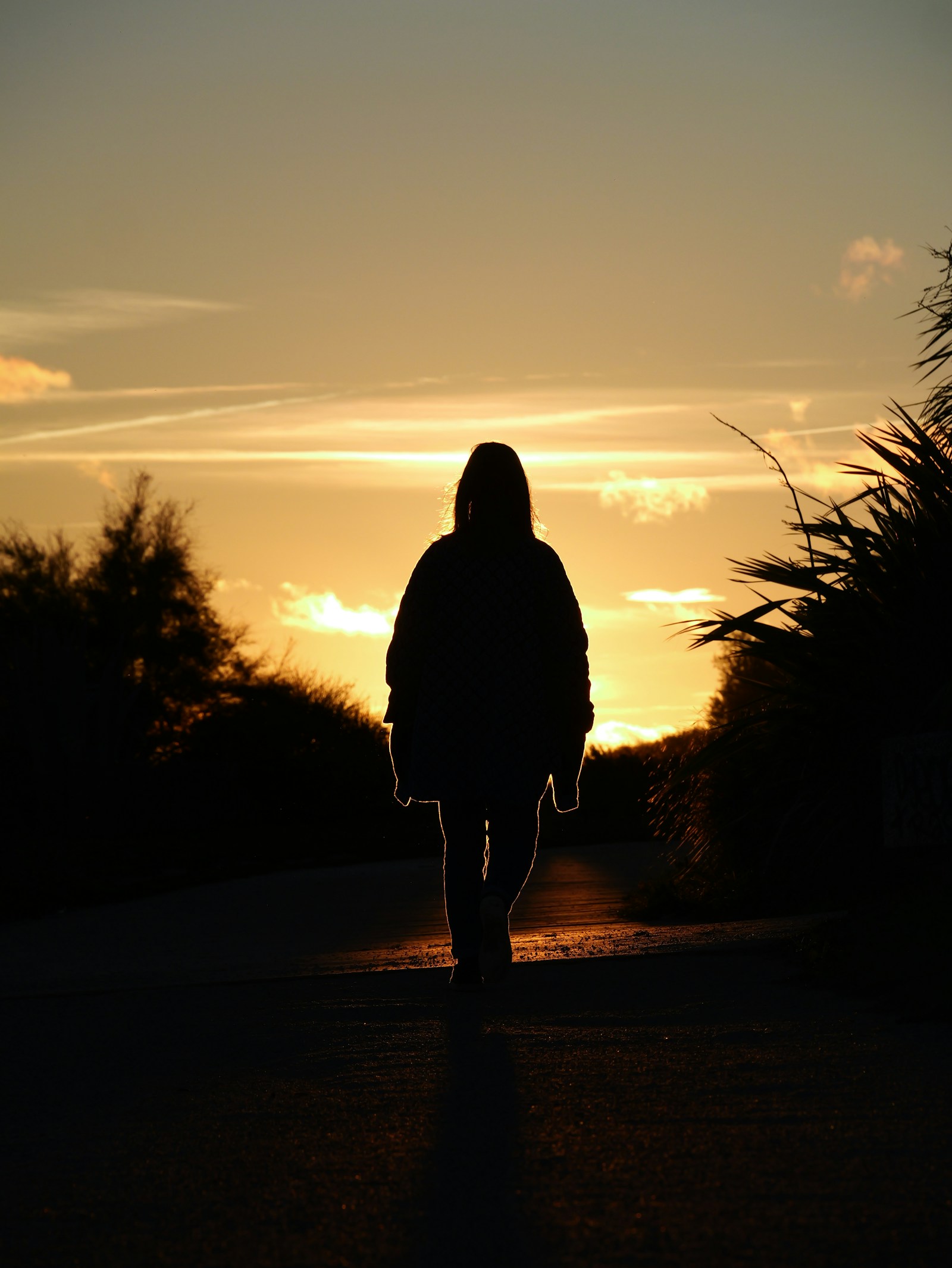
A person walking away down a path, seen only in silhouette against a low sun

Søren Kierkegaard, 1847

If you feel defeated, walk.

You do not have to feel ready. You do not have to feel well. Put on your shoes and leave the room. Motion is how the mind gets air.

A letter for the person who cannot get up

In 1847 Kierkegaard wrote this to his sister-in-law, Henriette, who was ill and often confined to bed. He did not tell her to recover first. He told her not to lose the desire to walk.

Above all, do not lose your desire to walk: every day I walk myself into a state of well-being and walk away from every illness; I have walked myself into my best thoughts, and I know of no thought so burdensome that one cannot walk away from it. Even if one were to walk for one’s health and it were constantly one station ahead—I would still say: Walk!

Besides, it is also apparent that in walking one constantly gets as close to well-being as possible, even if one does not quite reach it, but by sitting still, and the more one sits still, the closer one comes to feeling ill. Health and salvation can be found only in motion.

If anyone denies that motion exists, I do as Diogenes did, I walk. If anyone denies that health resides in motion, then I walk away from all morbid objections. Thus, if one just keeps on walking, everything will be all right.

Søren Kierkegaard, 1847

A person walking away along a tree-lined park path in morning light

Well-being can stay one step ahead

You may not catch the feeling you want. Walk anyway. Kierkegaard said health can remain one station ahead, and he would still say: Walk!

Sitting still pulls the heaviness closer. A block, a park path, or the long way around the neighborhood is already motion. That is the medicine.

Figures who already turned toward the light

Painters kept putting a person outdoors, seen from behind, face hidden, already on the way. The invitation is the same as the letter: leave the room.

Caspar David Friedrich, Woman before the Rising Sun: a woman seen from behind, facing an open sunrise

Sunrise

Woman before the Rising Sun

Caspar David Friedrich, about 1818. She has turned her back on the closed room and faced the open light.

Caspar David Friedrich, Wanderer above the Sea of Fog: a man seen from behind, with a walking stick, above open mist

Open ground

Wanderer above the Sea of Fog

Caspar David Friedrich, about 1818. Staff in hand. The walk has already carried him out of the fog at his feet.

Camille Pissarro, Hyde Park, London: small figures walking a sunlit park path under trees

A city park

Hyde Park, London

Camille Pissarro, 1890. Ordinary people on an ordinary park path. No summit. Just the walk.

These paintings are in the public domain.

Go where the path already is

A neighborhood park. An open field. The first light through the trees. You do not need a view of yourself. You need your feet moving.

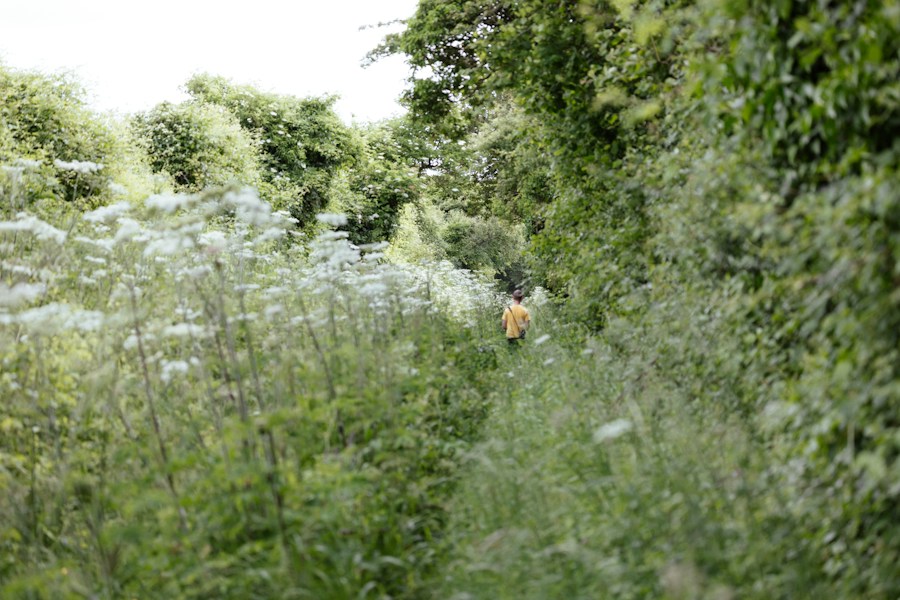
A person in a yellow shirt walking away along a narrow path through tall grass and trees

Open ground

Far enough to breathe

A field path counts. Distance from the chair is the point, not a finish line.

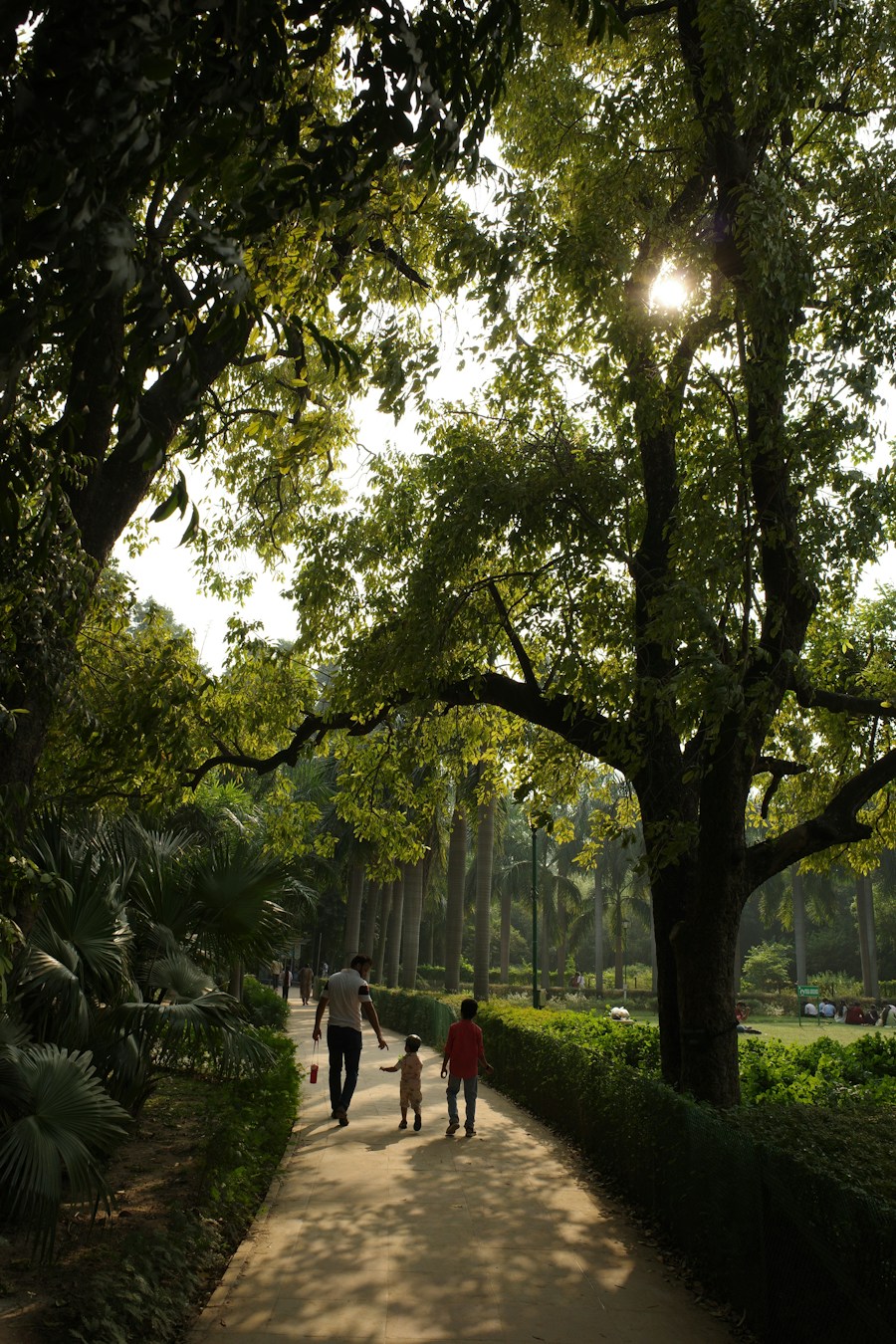
People walking away down a shaded park path under tall trees

Under the trees

Keep going

If the thought is heavy, take it with you. Kierkegaard knew of none so heavy that a person could not walk away from it.

Photographs from Unsplash.

I would still say: Walk!

Søren Kierkegaard, 1847

Shoes on. Door open.

Around the block is a real walk. If you want a week you can repeat, the recovery page has a simple rhythm. If you need someone to hear you, write to us.