Does exercise affect the brain during recovery?
Yes. Regular movement can support reward, stress, sleep, and brain repair systems. That is why movement can help people in recovery.
Learn more
People often hear that they should move, but they do not always hear why. Movement can affect your brain, mood, sleep, stress, and daily choices. Charts below are teaching examples. They are not the result of one paper.
Reward and dopamine. Heavy use skews how the brain tags motivation and pleasure. Regular activity links to steadier signaling in those circuits and, for some, a wider range of everyday enjoyments again. It can support recovery.
Stress and cortisol. Withdrawal and stress can leave you keyed up. Aerobic work, such as walking hills or steady cycling, connects with smoother stress patterns and deeper sleep in many studies. Better sleep can make cravings easier to face.
Learning and repair. Activity raises molecules such as BDNF that help the brain learn new patterns. That matters when recovery asks you to build a new life.

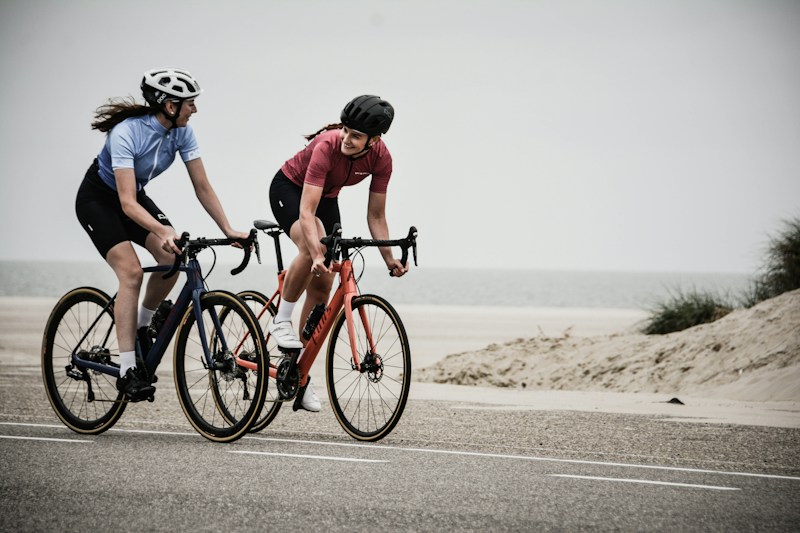
Studies count sessions, not scenery. Still, hills, sky, and open road match the physiology above. Light and distance from enclosed spaces are real inputs.
Build your week around parks, trails, and bike paths so movement also changes the scene.
Active groups often report better quality of life. These charts show a general pattern. They do not predict any one person.
Active group vs. inactive group
Inactive vs. active about three times per week
Use these figures to spot trends, not to predict your outcome. Use the charts to learn. Start slow. Ask for help if you need it.

You do not need to memorize this page. Book three outdoor sessions, then open Recovery for a plan you can try this week.
Built for search, answer engines, and people who want the science without a textbook.
Yes. Regular movement can support reward, stress, sleep, and brain repair systems. That is why movement can help people in recovery.
BDNF helps the brain adapt and learn. Exercise links to BDNF activity, which matters when recovery requires new patterns.
Yes. Use Contact to send research, questions, feedback, or feedback. We read what you send.